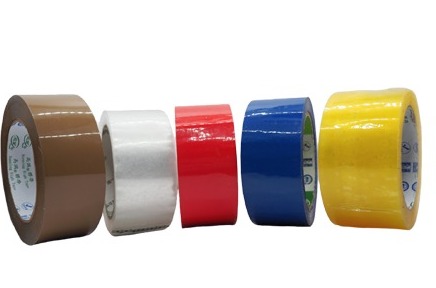
Packaging Tape
Carton Sealing Tape for Cold Chain: Why Acrylic Fails Below 5 °C
Acrylic carton tape fails on cold, damp board below about 5 C. This guide explains glass transition, condensation and dwell, then sets out a cold-room trial that answers the real question.
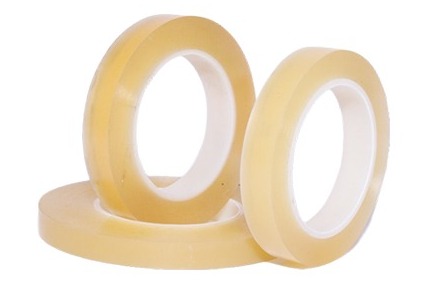
Every year, food and pharmaceutical shippers discover the same thing at the worst possible moment: the acrylic carton tape that worked all summer refuses to stick in a chilled dispatch area. The tape is not defective. It is behaving exactly as its chemistry dictates, and the fix is a different adhesive, not a stronger pull on the dispenser.
Understanding why takes a few minutes of adhesive theory. Applying it takes one realistic trial.
Glass transition, in plain language
Every pressure-sensitive adhesive has a glass transition temperature, usually written Tg. Below it, the adhesive behaves like a stiff solid: it cannot flow, so it cannot wet the board. Above it, the adhesive is soft enough to flow into the microscopic peaks and valleys of the surface and form a bond.
Acrylic adhesives formulated for general carton sealing typically have a Tg around or just above the single-digit Celsius range. In a warm warehouse they are comfortably above it and behave well. In a 2 °C cold room they drop below it, and tack collapses. The tape is not weak in the sense of peeling under load. It never bonds in the first place.
Hot-melt, rubber-resin adhesives are formulated with lower glass transition temperatures. They stay soft and flowable at low temperature, which is precisely why they grip a cold, damp carton that defeats an acrylic.
Initial tack versus ultimate adhesion
Two properties are often confused. Initial tack is how quickly and firmly the adhesive grabs the surface on contact. Ultimate adhesion is the strength of the bond once it has had time to wet out and set.
Acrylic tape can have respectable ultimate adhesion while having poor initial tack. On a warm board that is fine: the adhesive flows, wets out, and the bond builds. On a cold board the flow never happens, so the ultimate figure is never reached. This is why a cold-room tape problem looks like weak tape when it is really a cold adhesive.
Condensation and ice on the sealing surface
Cold rooms introduce a second, mechanical problem. When a carton moves from a cold chamber into warmer air, moisture condenses on its surface. When it stays cold and wet, a film of water or frost sits between the adhesive and the board. No pressure-sensitive adhesive bonds well through a water layer.
Wipe the flap where practical, or seal before the board picks up condensation. Where you cannot, hot-melt and water-activated tape tolerate a slightly damp surface far better than acrylic. Water-activated tape sidesteps the issue altogether by dissolving its adhesive into the board fibres.
Dwell time and press pressure
Pressure-sensitive bonding needs two things: contact and time. A cold substrate slows the wetting process, so the tape needs more dwell before it is stressed. A hand-held dispenser that presses lightly and moves on gives a cold carton almost no chance.
For cold-chain work, increase the press pressure at the applicator and allow the sealed carton to sit at handling temperature for a short dwell before it is stacked, palletised or thrown around. Stacking a freshly sealed cold carton immediately forces the tape to carry load before the bond has formed. In practice, most cold-chain tape failures happen because the carton was stressed within seconds of sealing, not because the tape was the wrong grade.
Running a realistic cold-room trial
Bench tests at 20 °C tell you nothing about a 2 °C dispatch hall. A useful trial looks like this:
- Condition the tape and the cartons in the actual cold room for at least two hours before testing.
- Seal cartons on the real line, with the real operator and the real dispenser settings.
- Record initial tack by hand where possible: does it grab or slide?
- Hold the sealed cartons at cold temperature for the dwell your process allows, then subject a sample to compression and drop tests.
- Move a second sample into warm air to reproduce condensation, then check the seal.
- Repeat the trial across the coldest and warmest days your operation actually sees.
For a broader costing view of the tape options, read our comparison of BOPP and water-activated tape. Browse the packaging tape range and request an FOB quote with your operating temperature and board type so we can match the adhesive to your cold room rather than to a catalogue page.