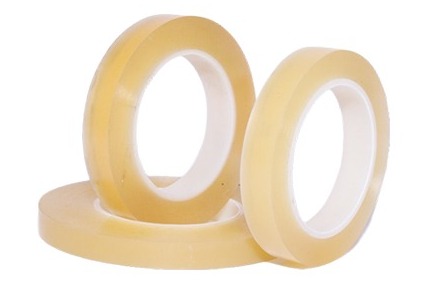
Packaging Tape
BOPP vs Water-Activated Tape: A Practical Cost Comparison
Cost per roll hides the real decision. Compare acrylic BOPP, hot-melt BOPP and water-activated tape on total cost per carton, including labour, jams and returns.
Every packaging buyer has heard that water-activated tape costs more than BOPP. That statement is true per roll and frequently false per carton. The two tapes consume different labour, fail in different ways and change the number of returns you process. If you compare unit price alone, you are optimising the smallest line in the calculation.
This is a costing question, and it deserves to be answered with the whole cost, not the label on the roll.
The three tape families in play
BOPP carton sealing tape comes with two adhesives. Acrylic BOPP is clear, odourless, UV-stable and cheap to run; it grabs slowly and performs poorly on cold or dusty board. Hot-melt BOPP uses a rubber-resin adhesive that bites instantly, even on recycled or damp cartons, but it yellows, ages and softens in heat.
Water-activated tape is a kraft paper backing coated with a starch or starch-blend adhesive. It is moistened at the dispenser and bonds into the fibres of the board, so a strip does not peel. It tears the carton if tampered with. That tamper-evidence is why it dominates in e-commerce and pharmacy.
Cost per carton, not cost per roll
A roll of BOPP holds far more linear metres than a roll of water-activated tape, and acrylic BOPP is the cheapest film per metre. But roll cost is only the first line. Add the others and the picture shifts.
| Factor | Acrylic BOPP | Hot-melt BOPP | Water-activated |
|---|---|---|---|
| Adhesive bite on cold or dusty board | Poor | Strong | Strong, bonds into fibre |
| Roll changes per shift | Few | Few | More |
| Dispenser complexity | Low | Low | Higher, water reservoir |
| Jam and misfeed risk | Low | Low to medium | Medium, moisture setting |
| Pilferage resistance | Low | Low | High |
| Damage in transit, single strip | Higher | Medium | Lower |
| Recyclability | Plastic film | Plastic film | Single material, paper |
Read that table as a set of cost drivers, not a verdict. A short-run distribution centre shipping clean, new, single-flute cartons at room temperature will find acrylic BOPP the lowest total cost almost every time. A food or pharma operation shipping recycled board in a cold room will spend more on acrylic BOPP than it saved, because the tape lifts and the cartons reopen.
Labour is the hidden line
Water-activated tape usually requires more attention: moisture levels, brush condition, and a slightly slower operator rhythm. On a high-volume line, that slower rhythm can be the single largest cost difference. On a lower-volume, higher-value line, it is irrelevant next to the reduction in pilferage and rework.
Hot-melt BOPP sits in the middle. It typically costs a few cents per roll more than standard acrylic and closes most of the cold-and-dust gap. If your problem is board quality rather than temperature, moving from acrylic to hot-melt is often the cheapest fix available.
Damage, pilferage and returns
A carton that arrives open generates a return, a customer complaint and a reship. One such event can wipe out the tape saving on dozens of cartons. If your product is high-value, or if your carrier network is rough, the tape that resists tampering and holds a single strip is not the expensive option. It is the one that keeps the carton shut.
Weigh that failure cost honestly. If one in a hundred acrylic-sealed cartons needs a reship, and each reship carries a courier charge plus the value of a returned product, the arithmetic quickly favours the tape that costs a few cents more per roll. That is not a rounding error at volume, and it is invisible in a per-metre comparison.
Materials and recycling pressure
Regulation and retailer policy are pushing single-material packaging. A water-activated paper tape on a paper carton keeps the pack in one recycling stream. BOPP film on the same carton introduces a plastic contaminant that some kerbside systems reject. If your customers or your retailers publish packaging rules, that rule may outrank the price difference entirely.
How to decide
Run the trial on your real line:
- Seal one hundred cartons of each type on the same shift, same operator, same board.
- Record roll changes, jams and seconds per carton.
- Drop-test and transit-test a sample of each.
- Cost the tape, the labour, the rework and the pilferage together.
The answer will be specific to your operation, which is the point. Explore the packaging tape range, read our notes on cold-chain sealing if your warehouse runs cold, and request an FOB quote with your carton size and volume so the comparison uses your numbers.