
Specialty Tape
Aluminium Foil Tape in HVAC: What the Codes Actually Require
Foil tape in HVAC is a compliance document, not a commodity. Cover joint types, 30 to 65 micron foil, flame-retardant adhesive and why a marked system differs from generic tape.
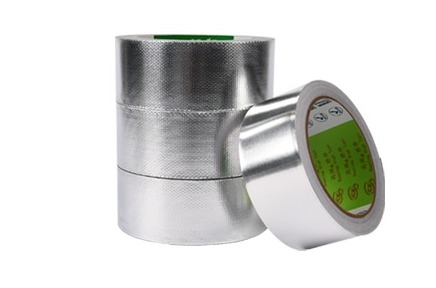
Aluminium foil tape looks like a commodity until an inspector asks for the marking on the backing. Then it becomes a compliance document. In HVAC work the tape is part of a system, whether a duct seal, a vapour barrier or an insulation facing joint, and the code cares about the system, not the roll.
This is where generic foil tape and a compliant, marked product part ways, and where a cheap roll can cost a contractor an entire inspection.
Where foil tape is actually used
Three distinct jobs get lumped together:
- Flexible duct joints — sealing the connections between flexible duct sections and to the collar.
- Rigid duct joints — sealing seams and connections on sheet-metal ductwork.
- Insulation facing — sealing the joints between foil-scrim-kraft facings and repairing facing damage.
Each has different demands. Flexible duct sealing is often covered by a specific listing for that use. Rigid duct sealing cares about adhesion to galvanised metal and to the sealant used. Facing sealing cares about vapour resistance and staying bonded as the duct moves with temperature.
Thickness: 30 to 65 micron
Foil tape thickness is usually quoted for the foil carrier, from around 30 micron up to 65 micron. Thinner foil is cheaper and conforms to curves more easily, but it tears more readily and punctures on sharp edges. Thicker foil resists damage and holds a flatter surface, but it fights tight radiuses and can lift at the edges of a curved joint.
Match thickness to the geometry. Smooth, flat rigid ductwork tolerates thin foil. Awkward flexible duct connections and exposed jobs benefit from something sturdier.
Acrylic versus flame-retardant acrylic adhesive
The adhesive is where compliance increasingly lives. A standard acrylic offers good ageing and moderate initial tack. A flame-retardant acrylic adds a package so the adhesive itself resists flame spread, which matters when the tape is part of a system that must meet a flame and smoke standard.
The distinction between a generic foil tape and a marked, listed system product is exactly this: a generic roll may bond well and look identical, but it carries no marking to show it belongs in a rated assembly. Where the code requires a marked system, an unmarked tape is simply not eligible, however well it sticks.
Water-vapour permeability
Aluminium foil is an excellent vapour barrier. The weak points are the adhesive layer and the seams. A foil tape with a highly permeable adhesive can allow moisture to migrate through the joint even though the foil itself is impermeable. For faced joints and cold-side insulation, water-vapour permeability is a figure worth asking for directly, because a dry joint today can be a wet, mouldy one in a season.
Surface preparation on galvanised metal
Galvanised sheet carries oils, zinc bloom and dust from handling. Foil tape will not form a durable bond on an oily or dusty surface. It will look fine on installation and lift weeks later. Wipe the joint with a suitable cleaner and let it dry before applying. Press firmly and work the tape down with a roller rather than a fingertip, because contact pressure is what drives the bond into the texture of the metal.
Marked systems and the authority having jurisdiction
UL 181 is a standard for air ducts and connectors, and it works through listed systems and materials. A tape marked for use in such a system is documented as part of it. A generic foil tape is not. If your specification or your inspector references a marked system, the roll in your van must carry the marking, and the marking must match the system it is being used in.
Building codes differ by country, state and even municipality, and they change. This article describes common practice, not a legal requirement. The requirement that applies to a specific job is decided by the installer’s authority having jurisdiction, and the responsible course is to confirm the current rule with that authority before relying on any tape. We produce grades built to the relevant standards the market specifies and confirm the currently stated scope in writing before you design one into a certified assembly.
Browse the specialty tape range, read our notes on high-temperature tape selection, and request an FOB quote stating the joint type, duct material and any system marking your specification requires.