Compliance
Importing Adhesive Tape into Mexico: NOM Requirements in Practice
Mexico enforces NOM standards at the border, and tape is caught more often than importers expect. Cover NOM-003, NOM-050, Spanish labelling, certificate holders and customs classification.
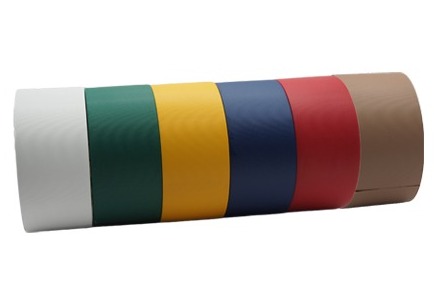
Mexico enforces product standards at the border, and adhesive tape is caught in the net more often than importers expect. Electrical insulating tape brushes against electrical safety rules, all packaged goods meet commercial labelling rules, and the certificate holder arrangement is a genuine commercial constraint rather than a formality.
This is a practical outline, not legal advice. Requirements change, and the only reliable confirmation is from a customs broker or an accredited certification body acting on the current rules.
Two NOM standards in play
Mexican official standards are known as NOMs. Two matter most for tape:
- NOM-003-SCFI — electrical safety for products. Where an electrical product falls within its scope, compliance is compulsory, and electrical insulating tape may fall within that scope depending on how it is classified and marketed.
- NOM-050-SCFI — commercial information requirements for goods. This governs what must appear on the label and packaging, in Spanish, so the buyer knows what they are buying.
The first is about safety and conformity assessment. The second is about information. Both can apply to the same carton.
Labelling fields the importer must supply
Packaged goods sold in Mexico generally require commercial information in Spanish. Typical fields include the product name, net content, name and address of the importer, country of origin, and instructions or warnings where relevant. The importer, not the foreign manufacturer, is the party that typically must supply the Mexican address and the Spanish text.
This is why private-label buyers underestimate the work: the label may need to be re-set for Mexico before the first shipment, and doing it after arrival is far more expensive.
What a certificate holder arrangement means
For NOMs requiring certification, the certificate is normally held by a party established in Mexico, often the importer, or an entity that assumes responsibility under the scheme. Importers frequently work with a certificate holder who already holds the relevant registration, rather than obtaining one themselves.
In practice this affects the commercial relationship, not just the paperwork. The certificate holder takes on responsibility for conformity, so they need product documentation, test evidence and control over the supply. If you are the foreign manufacturer, expect to supply test reports and to keep the specification stable, because a change to the product can invalidate conformity with the registration.
Customs classification and the broker role
Adhesive tape is classified under the tariff schedule by backing material and sometimes by use. The classification determines the duty and whether a NOM applies. This is a decision for a customs broker, who can map your specific product to the correct code and the correct requirements.
Take the broker into the conversation before you ship. A classification error is discovered at the border, where the options are delay, reclassification or re-export.
Practical document pack
Expect to assemble a set that includes the commercial invoice, packing list, certificate of origin where applicable, any required NOM certificate, Spanish labelling artwork, and test reports relevant to the standard claimed. Keep the specification of the certified product identical to what you ship.
The failures we see most often are not exotic. A specification drifts between the sample and the bulk run, so the certified configuration no longer matches what arrives. Or the Spanish label is applied as a sticker over the original, which some channels reject. Or the importer assumes the overseas manufacturer holds the registration, when in fact the registration sits with a local entity that was never told the formulation changed. Each of these is avoidable with one email before production.
A compliant way to describe capability
We produce grades built to the standards the market requires and confirm the currently stated scope in writing before you design one into a certified assembly. If electrical safety rules apply to your item, the certification scope is confirmed during quotation, not assumed. The importer should confirm the current requirement with their customs broker or the relevant certification body, because the applicable rule depends on classification and on the current text of the standard.
Browse the electrical tape range, read our related notes on Brazil INMETRO regime, and request an FOB quote stating the destination and the regulatory route you intend to use so we can package the documents to match.